Shubham Kukrety co-founded QuoteIt to fix the part of PR writing that ends in a long mail trail: facts that drift between the source document and the published statement. QuoteIt drafts press releases, spokesperson quotes, bylined articles and answers to journalists from a team's own documents, in each spokesperson's own voice, and shows every claim beside the passage it came from before anyone signs off.
Posts under this name argue from evidence: vendors' own pricing, documentation and terms, read on a stated date and linked in the text, and what users of those products report in reviews and forums. AI tools help with research and drafting; every fact about another product is checked against its source before publication. QuoteIt competes with some of the products reviewed here, and each comparison says so.
Posts
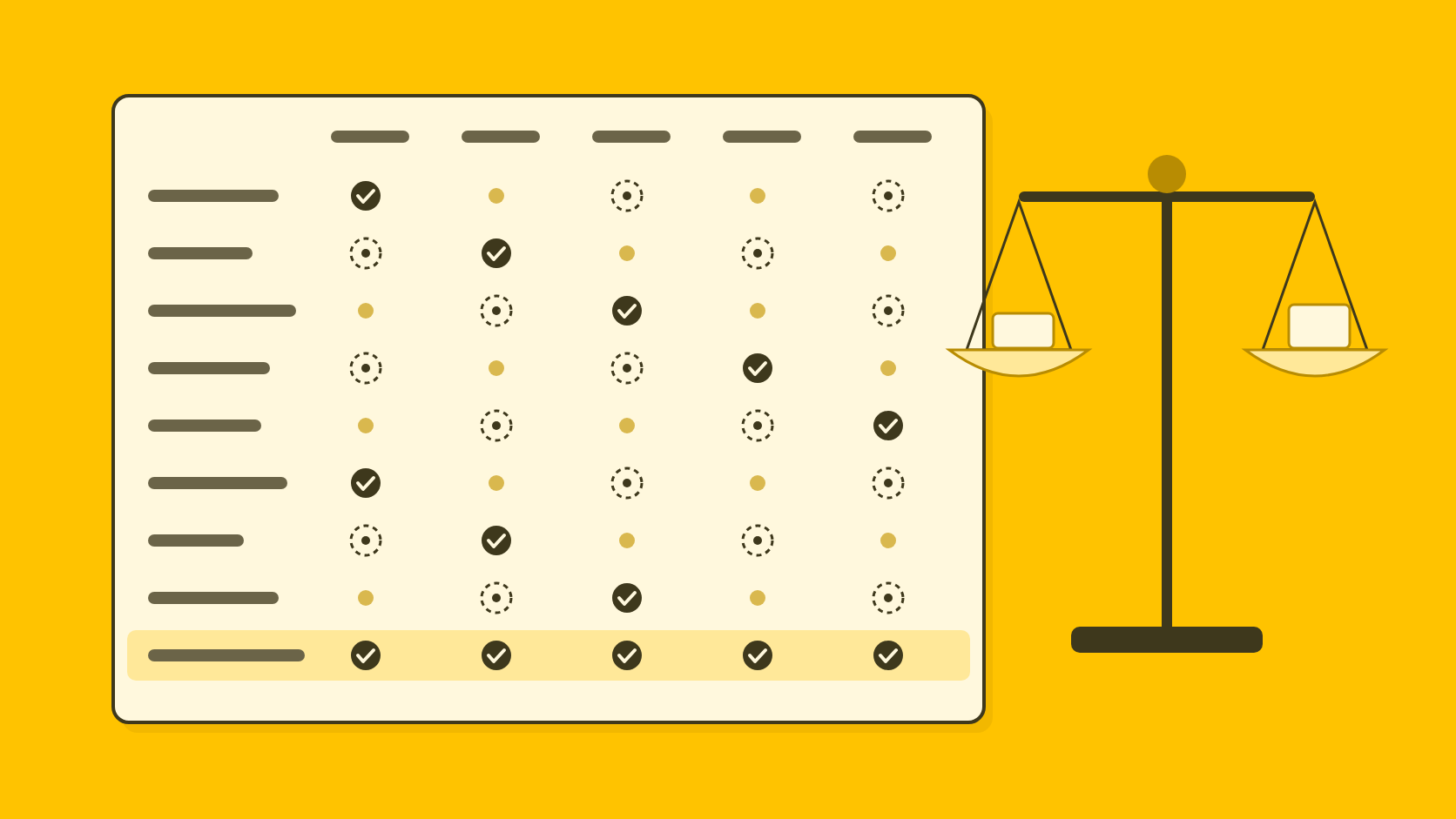
AI Tools for PR Professionals, Compared
Every tool here drafts a release in minutes. What decides whether it can go out is who checks each claim against its source and who approved the quote. Nine AI writing tools and eight PR suites, what their users report, and which fits which job.
12 min read
Top ChatGPT Alternative for PR Professionals
ChatGPT writes a release in minutes and leaves the checking to you. What PR users and journalists say about that trade, what OpenAI's own guide asks of you, and when a tool that checks each claim against your documents is the better fit.
11 min read
Top Claude Alternative for PR Professionals
Claude writes a release that reads like a senior writer drafted it, which makes an error in it harder to spot. What its users report, what Anthropic's own terms ask of you, and when a tool that checks each claim against your documents is the better fit.
11 min read
Top Gemini Alternative for PR Professionals
Gemini puts a first draft in the same Google Doc your client will comment on, and its users' most common complaint is answers that are confidently wrong. What Notebook's citations do and do not check, and when a tool that audits the finished release fits better.
11 min read
Top Jasper Alternative for PR Professionals
Jasper's Press Release Agent writes the whole release, leadership quote included. Nobody inside Jasper checks the figures against your report or asks the executive to approve the words. Where Jasper earns its seat, and what PR teams use for the facts.
8 min read
Top Copy.ai Alternative for PR Professionals
Copy.ai will turn your annual report into a press release and call it ready to distribute. It will not show you which page a figure came from. What it still does well, what users report since its sale to Fullcast, and what PR teams use instead.
7 min read
Top WRITER Alternative for PR Professionals
WRITER puts a citation beside the sentence. It does not tell you whether the cited snippet supports the whole claim, or whose result the figure is. Where WRITER's governance earns its place, and what PR teams use for the facts and the sign-off.
7 min read
Top Markup AI Alternative for PR Professionals
Markup AI will tell you a release breaks the style guide. It will not tell you the revenue figure belongs to the parent company. Where it earns its price, where PR teams outgrow it, and what to use for the facts.
10 min read
Top Pressmaster.ai Alternative for PR Professionals
Pressmaster.ai gets a founder's thinking onto the page in their own voice. A press release needs more than voice: figures that match the report and quotes the speaker signed off. Where it fits, where it stops, and what to use for the release.
10 min read
Top Prowly Alternative for PR Professionals
Prowly finds journalists and sends tracked pitches. Its AI writer works from a few key messages and checks spam words, not figures. What its users report, where it stops, and how to pair it with a tool that checks the release.
11 min read
How to Measure an AI Writing Pilot for a PR Team
A pilot that times only the first draft will say AI saved time while the editors say the opposite. A scorecard that counts checking, repair and approval effort, and a rule for what the result permits.
8 min read
How to Keep Approved Company Facts Current Without Losing Their History
A press kit that still uses last quarter's title was right once; nothing said when it stopped being right. How to give reusable facts an owner, a period and a revision trail, and retire them without losing history.
8 min read
A Press Release Fact-Checking Checklist You Can Use on the Next Draft
Releases rarely fail on the number someone checked; they fail on the word nobody treated as a claim. A ten-step checklist you can run on the next draft, with a review sheet that keeps evidence and permission apart.
8 min read
Fact-Check a Long Bylined Article Without Losing the Argument
The statistic was fixed; the conclusion built on it was not. How to map a byline's argument, check each claim in context and follow every correction into the reasoning that depended on it.
5 min read
Separate Launch News From Marketing Promises
The headline promised a platform; what shipped was one feature. How to sort a launch brief into change, capability, outcome and ambition, and word each to the evidence behind it.
5 min read
Test an AI Quote Workflow on the Cases Your Team Finds Difficult
A demo quote passes because everything agrees. Build a challenge set from your hardest cases, write the boundary first, and score the output and the review separately.
8 min read
Same Metric, Different Scope: When Two Facts Cannot Replace Each Other
The deck says 180 locations, the quote says 120, and both can be right. Write each figure out in full, then replace, keep both or escalate to the fact owner.
8 min read
Comparing Half-Year and Full-Year Results in a Media Response
A first-half figure divided by last year’s total is arithmetic that answers nobody’s question. Compare like halves, write out the months and send finance one question they can resolve.
7 min read
A Better Review for “First,” “Leading” and “Only”
"The first platform of its kind," and nobody can say first where, for whom or as of when. How to review the comparison inside a superlative before softening the adjective.
4 min read
When the Company Voice and the Spokesperson’s Voice Differ
One draft follows the style guide so closely anyone could have signed it; the other skips the terms staff need. How to give company voice and spokesperson voice their own jobs.
4 min read
Where an Executive’s Opinion Becomes a Checkable Claim
"I believe customers are abandoning complicated services" asserts behavior, scope and a cause. How to separate an executive's judgment from the facts inside it before attribution.
4 min read
Read the Footnote Before You Use the Number
A chart says 84 percent resolved; the eight-point note says priority cases only, with exclusions. How to read outward from the cell before an accurate number becomes a broad false claim.
4 min read
The Date on the Upload Does Not Tell You When a Fact Was True
The glossy profile was the newest upload, so 18 offices went into the release. It was nine months old. How to keep the date a file arrived apart from the date its facts were true.
4 min read
Build a Useful Evidence Packet From a Long Report
Sending a writer the whole PDF provides the source but not usable evidence. How to turn a long report into one card per claim, with the passage, its context and what it does not support.
4 min read
The Percentage Is Correct. Is the Claim?
The subtraction is right and the sentence is still wrong. How to check the denominator, comparison, period and verb before a correct percentage becomes a misleading claim.
4 min read
The Executive Voice Guide: What It Is and Why Adjectives Won't Cut It
A quote for a CFO comes back rewritten line by line because the brand guide said "confident and direct" and nothing about how this person actually talks. What an executive voice guide should record instead.
5 min read