Short answer
Jasper is a good choice when a marketing team wants fast, on-brand campaign copy and already runs its agents. For press releases and spokesperson quotes, QuoteIt fits better: it drafts from your own documents, checks each claim against the passage it came from, and sends opinions in a quote to the spokesperson for approval.
TL;DR
- →Jasper's Press Release Agent drafts the release and the leadership quote, and its page describes no fact check, no citation of your documents and no approval step.
- →Its brand checks govern tone and style rules; the only Jasper feature documented with source links searches the public web.
- →Users praise its speed and brand voice, and complain most about generic output that needs heavy editing and about billing after cancellation.
- →For releases and quotes, QuoteIt drafts from your documents and shows every claim beside its passage; keep Jasper if marketing already runs on it.
The chief executive reads the release an hour before it goes out and stops at the quote. It is fluent, it is on brand, and it describes a result the annual report does not contain, in words they never used. Nobody invented it on purpose. The tool was asked for a press release, and a press release has a leadership quote.
Jasper, which describes itself as applied AI for enterprise marketing1, will write that release. Its Press Release Agent produces the announcement, the leadership quotes, the boilerplate and the contact section2. What it does not do is show which passage of your report a figure came from, or ask the executive to approve the words given to them. Jasper is candid that sign-off happens elsewhere: in its own words, it "isn't an approvals layer"1.
Our verdict: keep Jasper if marketing already runs on it and PR is one channel among many. For releases with figures in them and a named spokesperson, you need a tool that checks every claim against the documents behind it and records who approved which version. That is the job QuoteIt does.
What is Jasper good at?
Jasper is good at producing a lot of on-brand marketing copy fast, and it is one of the few writing tools with an agent built for press releases. The Press Release Agent draws on your Knowledge Base and approved Style Guide to keep names, titles, dates and product terms consistent, and it is included on both Pro and Business2. Its library holds more than 100 marketing agents, with PR and Communications tagged as one role among many3.
The companion Crisis Communication Statement agent takes the incident, audience priorities and corrective actions and adapts the statement for press, customers, partners and staff4. That is a useful skeleton when a holding statement has to go out with limited facts, as long as someone checks every fact it contains.
Brand control is the most developed part of the product. Brand Voice flags off-brand tone and recommends changes5, and the Style Guide holds punctuation and wording rules6; since January 2026 it applies those rules while drafting and supports several guides for different brands7. Since September 2026, voice, audience and style pages show the sources they were built from8, which helps when a client asks why the copy sounds the way it does.
Source material can stay where it lives: Knowledge Connectors sync a Google Drive or SharePoint folder without moving or changing the files9. Jasper lists 18 integrations, including Workfront, Asana, Monday.com and add-ins for Word and Google Docs10, and its trust page says company data and outputs are never used to train third-party models11.
What do Jasper users say about it?
Jasper users praise its speed and its brand voice, and complain about generic output, factual slips and billing. Public reviews are plentiful, and read alongside forum threads the pattern is consistent.
The praise is about time. Marketers describe getting first drafts of blog posts, emails and ads in minutes, across many formats, with an interface that is easy to learn. Teams that put work into Brand Voice say the output sounds more like them than a general chatbot does.
The complaints matter more for PR. The most common is that output reads as generic or robotic and needs heavy editing before it is usable. Several reviewers say they still fact-check everything, and some describe regulatory or technical points coming out oversimplified. Others say the brand voice does not hold steady across a team of writers. In recent reviews, billing dominates: charges after cancelling, trials that rolled into annual plans, renewals and overages people did not expect, and support that is hard to reach when it happens.
In forums the recurring question is whether Jasper is worth its premium over a general assistant; our ChatGPT alternative for PR professionals covers that side. We found no public account from a PR team that uses Jasper for releases. For a communications desk, the takeaway is that the time saved on the first draft goes back into checking it, and nothing in the product does that checking for you.
Can Jasper fact-check a press release?
No, not against your documents. Jasper's brand checks flag off-brand tone and breaks of style rules56, and we found no Jasper page that describes comparing a draft's claims with source passages, including the monthly product updates from January to September 202612.
The only Jasper feature documented with clickable source links is the Research Agent, and it analyzes publicly available sources, not your Knowledge Base13. The Knowledge Base page has a heading about transparent sourcing but does not say how sources appear in an output14. A release drafted from your annual report gives a reviewer no documented way to see which passage a figure came from.
Jasper's usage policies say output may be inaccurate about people, places or facts, and that a human must take final responsibility for what is published15. That is a fair position for a marketing tool, and it leaves every figure, period and subject in the release with your reviewers.
Who approves the quote Jasper writes?
Nobody inside Jasper. The Press Release Agent drafts leadership quotes, and its page describes no step for the quoted person to approve them2. Brand Voice is described for a brand, not for an individual spokesperson5, so an executive's quote is written in the company's voice unless you build and name a voice for them.
Formal sign-off lives in other systems. Jasper says Canvas tracks status while content goes to tools like Adobe Workfront for review and approval, with archiving left to existing records systems1. The pricing page lists a document history that restores versions from the past 7 days16, and the versioning added in September 2026 is for agents built in Studio8. Internal review, the client's approval and the release decision all happen away from the draft and its sources.
Agencies should also check client separation. Groups that keep knowledge and voices visible only to their members are a Business feature17. On Pro, every member can see and use a Brand Voice unless its creator makes it private18, and Auto IQ, added in June 2026, applies brand and knowledge context when the writer has chosen none, without explaining how it decides what is relevant19.
How much does Jasper cost?
Jasper Pro costs $69 per seat a month billed monthly, or $59 a month on a yearly term paid upfront, with a 7-day free trial, as listed on 4 November 202616. Pro includes one seat, two Brand Voices, five knowledge assets and three audiences, and no Style Guide. Business is priced by sales with a 12-month minimum, and adds unlimited voices and knowledge, the Style Guide, Groups, the Studio agent builder, API access and single sign-on, with agents drawing on usage-based credits on top of seats16.
Those Pro limits bite quickly in PR. One release can draw on an annual report, a fact sheet, interview notes and two earlier releases, which uses the whole five-asset allowance. Two voices cover one client and one spokesperson. An agency with a steady client list is looking at Business, and given how often billing comes up in users' complaints, read the renewal terms before the trial ends.
How does QuoteIt handle the same release?
QuoteIt starts with the documents and treats the quote as the spokesperson's, not the tool's. You upload the annual report, fact sheet or interview notes, and QuoteIt turns them into atomic facts, each saying whose result it is, the value, the scope and the period, with the passage it came from kept beside it. Drafts are written from those facts, and every claim is checked again against its passage.
That is how the quote from the opening gets caught. The result it describes has no passage behind it, so it is flagged with the evidence one click away, and the opinion around it is marked as proposed wording for the chief executive, or whoever is authorized for them, to approve. Facts inside the quote are checked like any other claim.
Drafting
It starts from your documents
QuoteIt drafts the release, quote, authored article, website announcement or answer to a journalist from the reports, fact sheets, board papers and interview notes you upload.
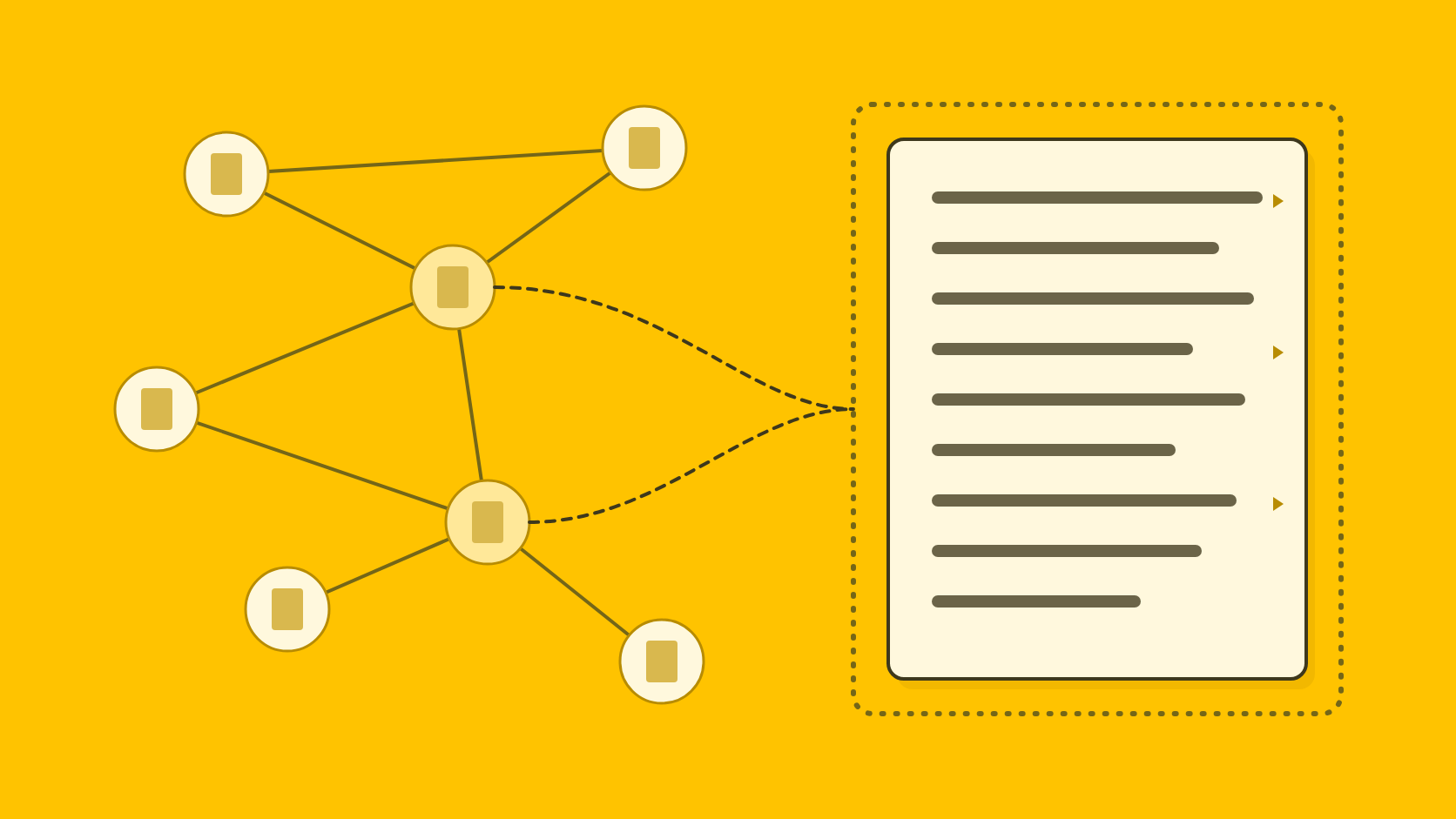
Those documents become atomic facts, each stating whose result it is, the value, the scope and the period, with its source passage kept and openable in the original page.
Evidence
Each claim meets its passage
Every claim in a draft is extracted and compared with the passage it relies on, and one the passage does not fully support is flagged for a person with the passage one click away.
That covers what a brand check cannot see: a group figure given to a subsidiary, one site written as the whole company, a target written as achieved, or a half-year figure written as the full year.
Attribution
Spokespeople approve their own words
Each named spokesperson has a voice of their own, combined with the organization's voice and facts in their drafts. For agencies, each client's voice and facts stay inside that client.
Wording that gives a spokesperson a belief, feeling or emphasis is marked as proposed for every reviewer and needs approval from that person or whoever is authorized for them. Facts inside the quote are still checked.
Sign-off
Decisions are kept per version
Internal review, client review through a review link and release are separate decisions, each recorded with who decided, on which version and when.
A late edit cannot ride on an earlier approval, and fixing a flagged sentence rechecks only what that change affects.
Jasper or QuoteIt: how do they compare for PR work?
- Writes releases and quotes
- JasperYes, Press Release Agent on Pro and Business
- QuoteItYes, from your documents
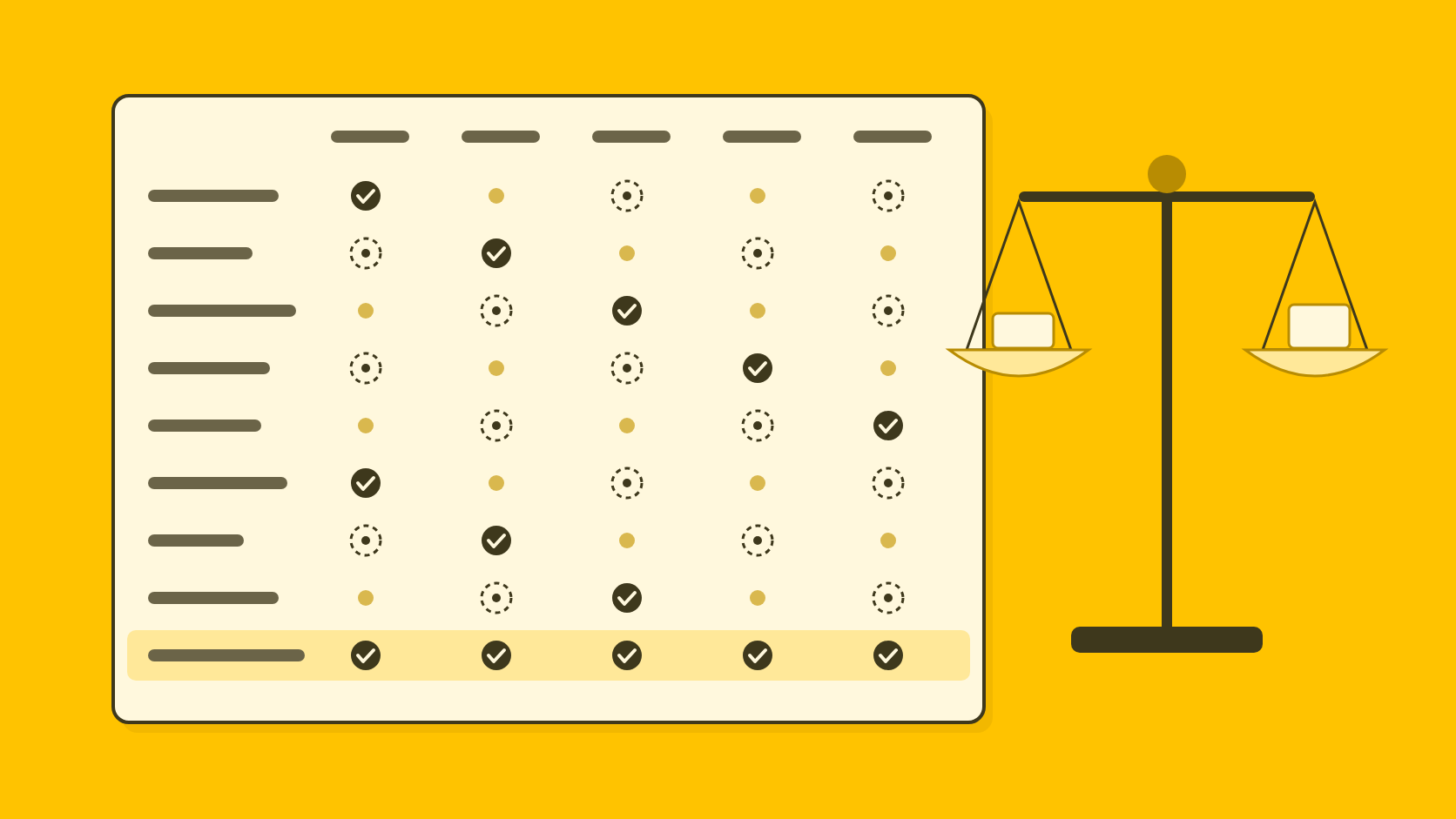
- Claims checked against your source
- JasperNo, brand and style checks only
- QuoteItEach claim against its passage
- Shows where a figure came from
- JasperPublic web links in the Research Agent only
- QuoteItThe passage in the original page
- Opinions in a quote
- JasperWritten by the agent; no approval step described
- QuoteItMarked for the spokesperson to approve
- Review and sign-off record
- JasperLeft to Workfront and similar tools
- QuoteItInternal, client and release, per version
- Client separation
- JasperGroups, Business plan only
- QuoteItEach client's voice and facts kept apart
- Works inside Word and Google Docs
- JasperYes, add-ins
- QuoteItNo
- Price
- JasperPro $59 to $69 a seat a month; Business by quote
- QuoteItNot yet published
- How to start
- Jasper7-day trial
- QuoteItPilot sign-up
Jasper and QuoteIt for PR work, from Jasper's pages read 4 November 2026
| Question | Jasper | QuoteIt |
|---|---|---|
| Writes releases and quotes | Yes, Press Release Agent on Pro and Business | Yes, from your documents |
| Claims checked against your source | No, brand and style checks only | Each claim against its passage |
| Shows where a figure came from | Public web links in the Research Agent only | The passage in the original page |
| Opinions in a quote | Written by the agent; no approval step described | Marked for the spokesperson to approve |
| Review and sign-off record | Left to Workfront and similar tools | Internal, client and release, per version |
| Client separation | Groups, Business plan only | Each client's voice and facts kept apart |
| Works inside Word and Google Docs | Yes, add-ins | No |
| Price | Pro $59 to $69 a seat a month; Business by quote | Not yet published |
| How to start | 7-day trial | Pilot sign-up |
When should a PR team stay with Jasper?
Stay with Jasper when PR is one part of a wider marketing program that already runs on it. It covers campaign copy, AI-search tracking in GEO Hub19, content in more than 30 languages16, add-ins for Word and Google Docs, an MCP server that carries your brand voice and rules into other AI tools20, and task links into Workfront, Asana and Monday.com. QuoteIt does none of that and has no integrations, and Jasper has a price and a trial you can start today.
Many teams will want both: Jasper for the campaign assets around an announcement, and QuoteIt for the release, the spokesperson's quote and the answers to journalists, where each claim is checked and each approval kept.
Switch when a correction has ever come from a fact rather than a word, when an executive has pushed back on a quote they never gave, or when sign-off lives in email threads nobody can reconstruct. Our comparison of AI tools for PR professionals covers the wider field, the WRITER alternative covers the enterprise platform most often weighed against Jasper, and the Markup AI alternative covers style governance.
How do you test Jasper and QuoteIt on your own release?
Pick a release with a quote that was rewritten
Choose a past release where the spokesperson changed their quote or a figure was corrected in review, and gather the documents behind it. The same method works for testing an AI quote on difficult cases.
Run the Press Release Agent on the original brief
On the 7-day trial, load the documents as knowledge assets and ask the Press Release Agent for the release. For each figure and each sentence in the quote, find the passage that supports it, and count the claims you had to trace by hand.
Give QuoteIt the same documents
Upload the same documents and brief to QuoteIt and compare its flagged claims and proposed opinions with the corrections your reviewers and the spokesperson actually made.
Can Jasper fact-check a press release against my documents?
No. Its brand checks flag tone and style breaks, and we found no Jasper feature that compares a draft's claims with source passages. QuoteIt checks each claim in a draft against the passage in your documents that it relies on.
Can Jasper cite my uploaded documents in a press release?
Not that we could find. The only Jasper feature documented with clickable source links is the Research Agent, which analyzes publicly available sources rather than your Knowledge Base.
Does Jasper train AI models on my files?
Not according to Jasper. Its trust page says company data and outputs are never used to train third-party models, and its EULA (version 2.0, effective 13 November 2024) says it will not use customer property, including outputs, to train AI models.
Can Jasper keep each client's voice and knowledge separate?
Partly, on Business, where private Groups keep knowledge and voices visible only to their members. Pro has two Brand Voices and no Groups, and a voice is visible to the whole workspace unless its creator makes it private.
Can Jasper write a crisis statement?
Yes. Its Crisis Communication Statement agent adapts a statement for press, customers, partners and staff from the incident details you give it. Every fact in it still needs checking against what you actually know before it goes out.
Sources
Numbers in the text point here. Each link opens the original page.
- 1Where Jasper Fits in Financial Services Marketing (and Why It Isn’t an Approvals Layer)Jasper, October 19, 2026
- 2The Press Release AI Agent purpose-built for marketing | JasperJasper
- 3AI Agents for Marketing Teams | JasperJasper
- 4The Crisis Communication Statement AI Agent purpose-built for marketing | JasperJasper
- 5AI-powered brand voice management | JasperJasper
- 6Detailed customization of punctuation & rules with Style Guide | JasperJasper
- 7What’s New in January 2026Jasper, February 4, 2026
- 8What's New in September 2026Jasper, October 7, 2026
- 9How To Use Jasper's Knowledge Base ConnectorsJasper, April 22, 2026
- 10Jasper IntegrationsJasper
- 11Trusted & secure AI for enterprise marketing teams | JasperJasper
- 12Product Update posts from the Jasper blogJasper
- 13The Research AI Agent purpose-built for marketing | JasperJasper
- 14Knowledge that powers every agent | JasperJasper
- 15Usage Policies | JasperJasper, August 24, 2024
- 16Plans & Pricing | JasperJasper
- 17GroupsJasper Success Center
- 18Brand VoiceJasper Success Center
- 19What’s New in June 2026Jasper, July 8, 2026
- 20The Jasper MCP | Scale your content without losing controlJasper
Written by
Shubham Kukrety, Founder and CEO, QuoteIt
Shubham Kukrety co-founded QuoteIt to fix the part of PR writing that ends in a long mail trail: facts that drift between the source document and the published statement. QuoteIt drafts press releases, spokesperson quotes, bylined articles and answers to journalists from a team's own documents, in each spokesperson's own voice, and shows every claim beside the passage it came from before anyone signs off.
How these posts are researchedRun one past release through QuoteIt. Upload the documents behind it, and every claim in the new draft sits beside the passage it came from, with the opinions in the spokesperson's quote marked for their approval before a client sees it.
Join the Pilot